The CERAF™ Learning Model
From concept to implementation.
The CERAF™ Learning Model is the five-step, hands-on learning cycle behind every Tellix program: Concept, Example, Reflection, Action, and Feedback, with follow-through one month later. It was created by Jerry Ilao to take people from learning about AI to using it in their real work.
One lesson, five steps
Each topic in a Tellix program moves through the same cycle. Each step answers one question a participant is already asking.
- C
Concept
What is the core idea?
We break a complex topic down into a clear framework people can use. A short lesson, in plain language, on one idea at a time. No jargon, and no slides that need a technical background.
- E
Example
How are other people doing it?
Real examples from Philippine companies, matched to your industry and roles. Participants see the idea at work in a business like theirs, so it stops being theory before they try it themselves.
- R
Reflection
How can I apply it to me or my company?
Each person works out where the idea fits in their own role, industry and constraints. Before anyone opens a tool, they name the task in their own job where this would help the most.
- A
Action
What specific action steps should I take next?
Guided, hands-on practice: participants build or apply the idea on their own work, during the session. Laptops open, AI tools live. People leave with something they built and the next steps they chose.
- F
Feedback and follow-through
What comes next?
Facilitators review what each participant produced and help refine it. Then comes the follow-through: one month after every workshop, participants return for an implementation mastermind to share what they built and decide their next steps.
What it looks like in the room
Every session runs on the participants' own work: their reports, their data, their processes.
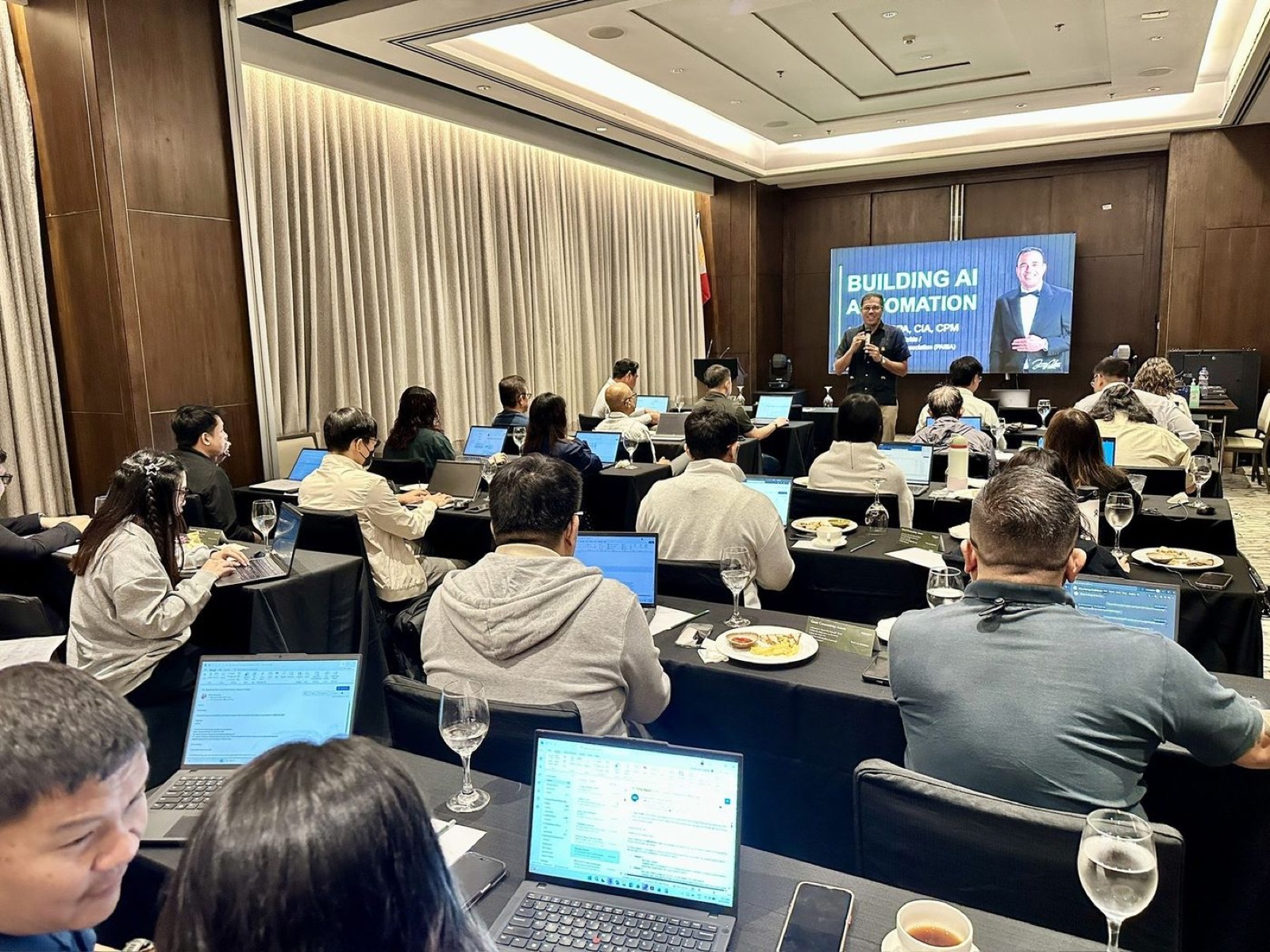
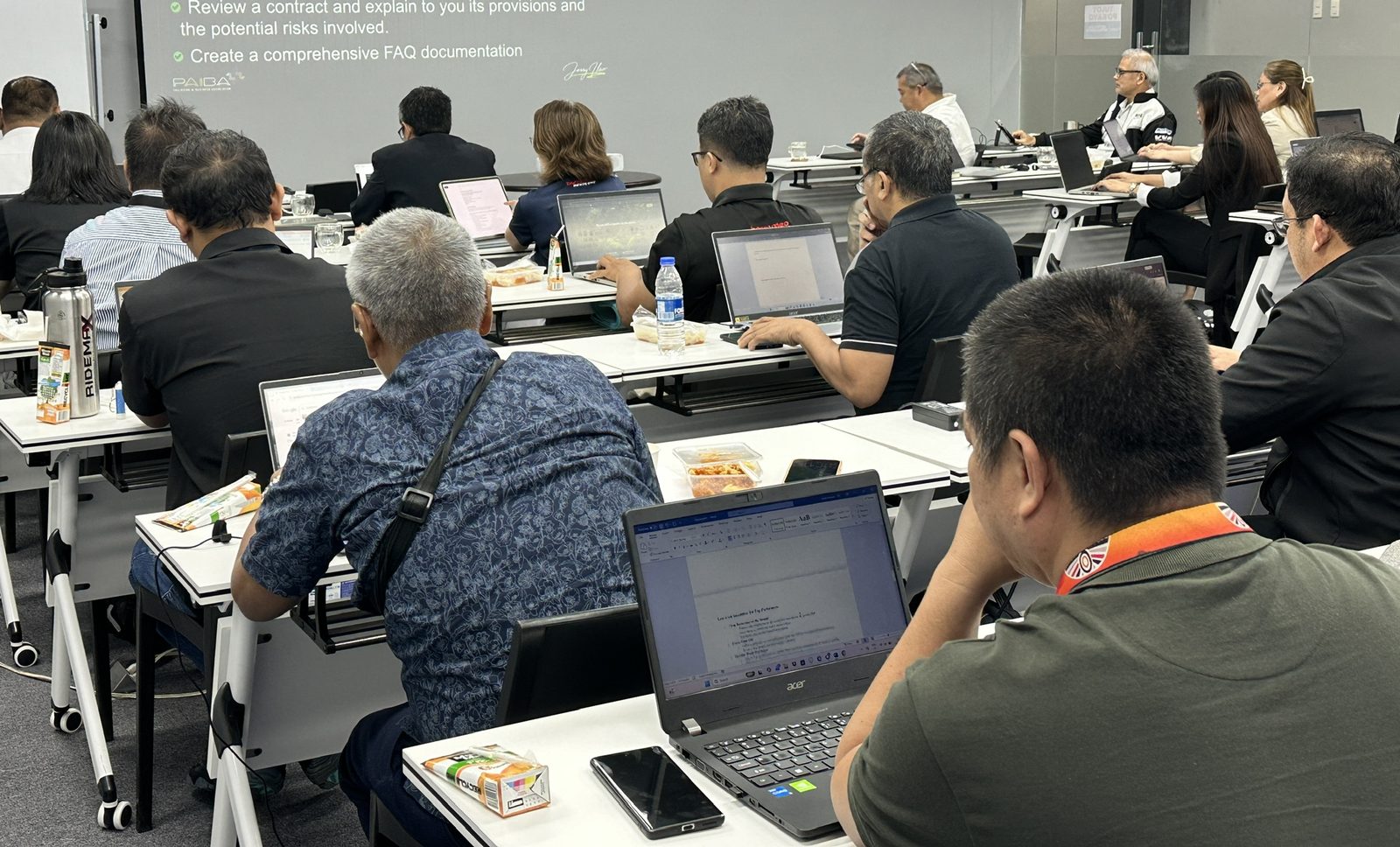
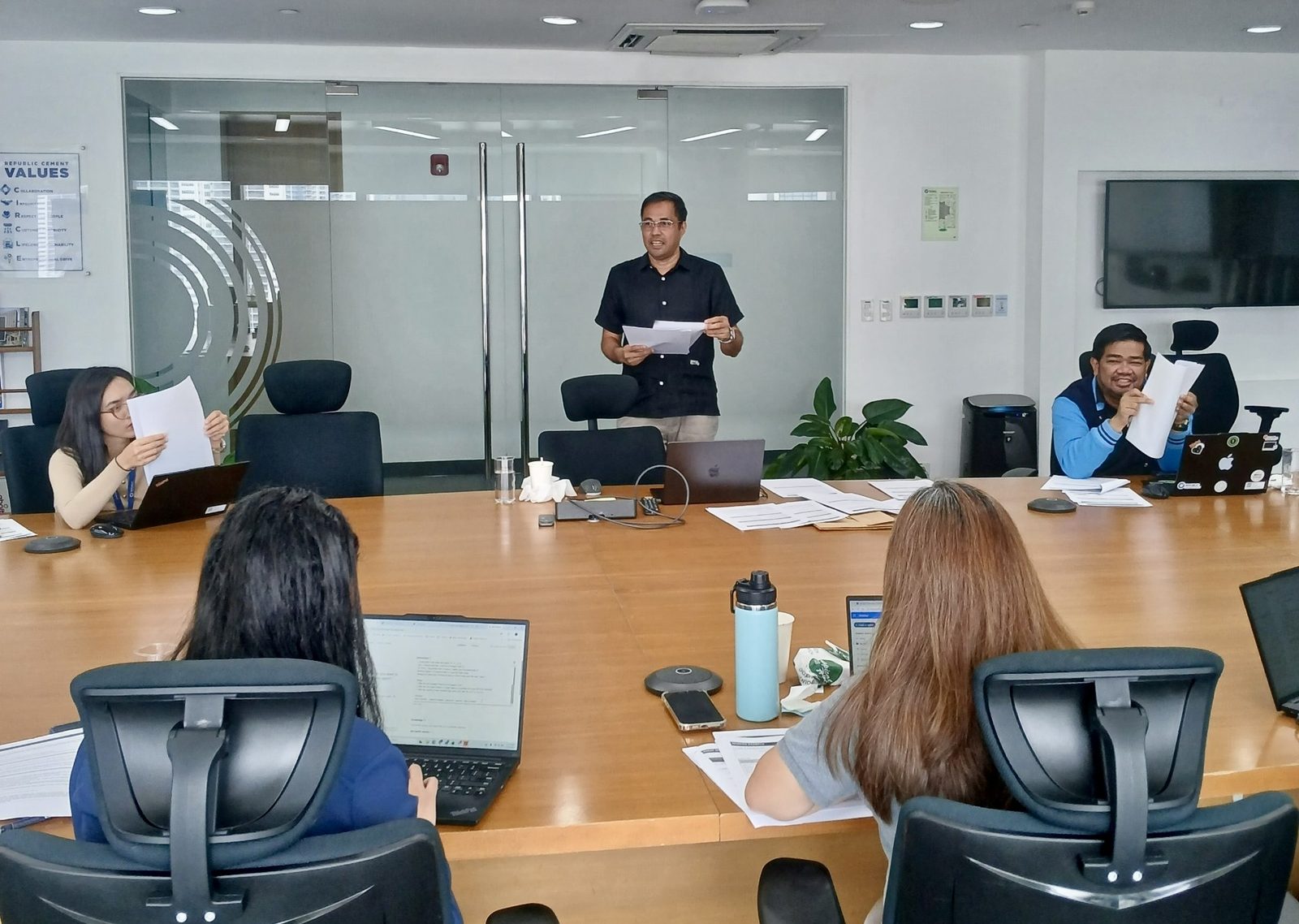
When learning is applied to real work
Documented outcomes from Jerry Ilao's in-house workshops. The full case studies are on jerryilao.com.
An agent performance report that normally took about a day was drafted with AI in 5–10 minutes; 26 of 27 managers rated the result much better than their usual output.
Read the case study → Motor Ace PhilippinesA business analysis that took about two weeks to prepare manually was reproduced with AI in minutes, with the key conclusions aligning.
Read the case study → Republic CementAI Champions built working Microsoft Copilot agents; one daily supply-chain report went from about 40 minutes to under five.
Read the case study →Three frameworks, three different jobs
The 4A Blueprint™
Where your company stands
Four levels of AI adoption: Assistants, Automation, Agents, and AI-First. It shows where you are today and what to do next.
Read the framework →The Tellix journey
How we take your company forward
Five stages: Learn, Discover, Prioritize, Build, and Evolve. Training is the first stage, not the whole journey.
See the journey →The CERAF™ Learning Model
How we teach
Five steps inside every program, so that what your people learn in the room turns into something they do at work.